Does omega-3 help hot flushes and night sweats?
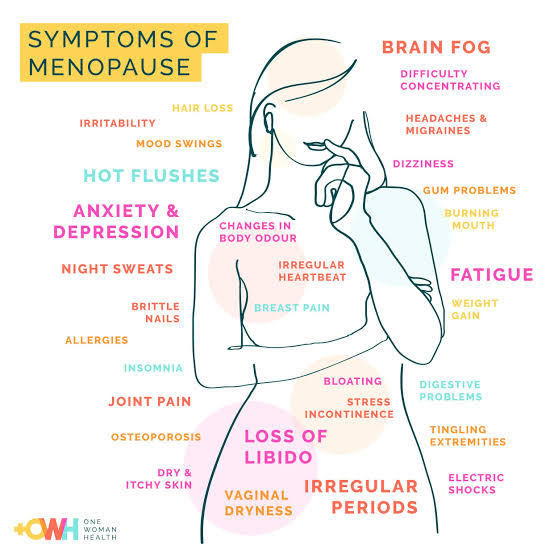
Probably not much. A few small studies hinted at a benefit, but when researchers pooled the evidence it didn't hold up — and the well-run MsFLASH trial found omega-3 was no better than placebo for the frequency or bother of hot flushes, or for sleep. If a supplement promises to \"cool your flushes,\" the evidence doesn't back it.
What about mood, anxiety and brain fog?
Here it's genuinely mixed. Some reviews report modest improvements in low mood during the menopausal transition; others find it inconclusive. DHA is a major structural fat in the brain, so a healthy omega-3 status is sensible for brain health in general — but omega-3 is not a proven treatment for menopausal mood changes or brain fog, and it shouldn't replace speaking to your GP if those symptoms are affecting your life.
Where omega-3 genuinely matters more after menopause
This is the part worth your attention. Before menopause, oestrogen gives women some protection against heart disease. After menopause that protection falls away and cardiovascular risk rises — heart disease becomes the leading cause of death in women. Omega-3 (EPA and DHA) is well established to lower triglycerides, and a low omega-3 status is linked in large studies to worse cardiovascular outcomes. The evidence that fish-oil supplements prevent heart attacks is mixed, but keeping your omega-3 level in a healthy range is a sensible part of looking after your heart in a decade when the risk is climbing. In short: omega-3 matters more after menopause, not less — for the long game, not the symptoms.
Dry eyes and achy joints?
Both are common around menopause, and omega-3 is often suggested for them. Be realistic: some people report relief, but the large DREAM trial found fish oil was no better than placebo for dry eye disease, and the joint evidence is limited. Worth a try for some — not a guaranteed fix.
So should you take omega-3 during menopause?
Not as a cure for hot flushes or mood — the evidence simply isn't there. But maintaining a healthy omega-3 status is a reasonable, evidence-aligned thing to do for your heart and brain during a stage of life when both deserve attention. The best sources are oily fish — the Heart Foundation recommends two to three serves of fish a week — or a quality supplement if you don't eat fish.
Don't guess — know your level
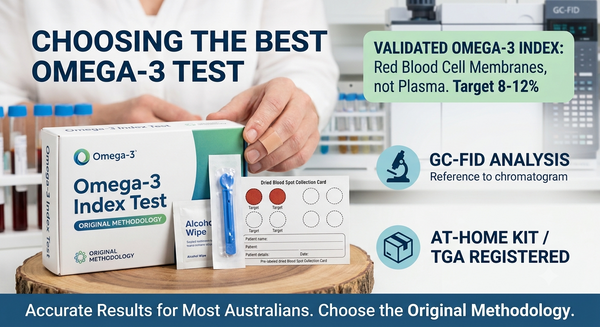
Here's the catch with \"just take fish oil\": you can't tell from how you feel whether you're getting enough, or whether it's actually raising your level. Our at-home Omega-3 Index test measures your EPA + DHA from a simple finger-prick, so you can see exactly where you stand and whether anything needs to change — rather than spending on supplements and hoping.
This article is for information only and isn't medical advice. If menopause symptoms are affecting you, speak to your GP.
Know your number.
A simple at-home finger-prick test, posted to your door. Find out where you actually stand on omega-3.
See our tests